
Extension of Kuwait's Emergency Outfalls
Coastal engineering for public health
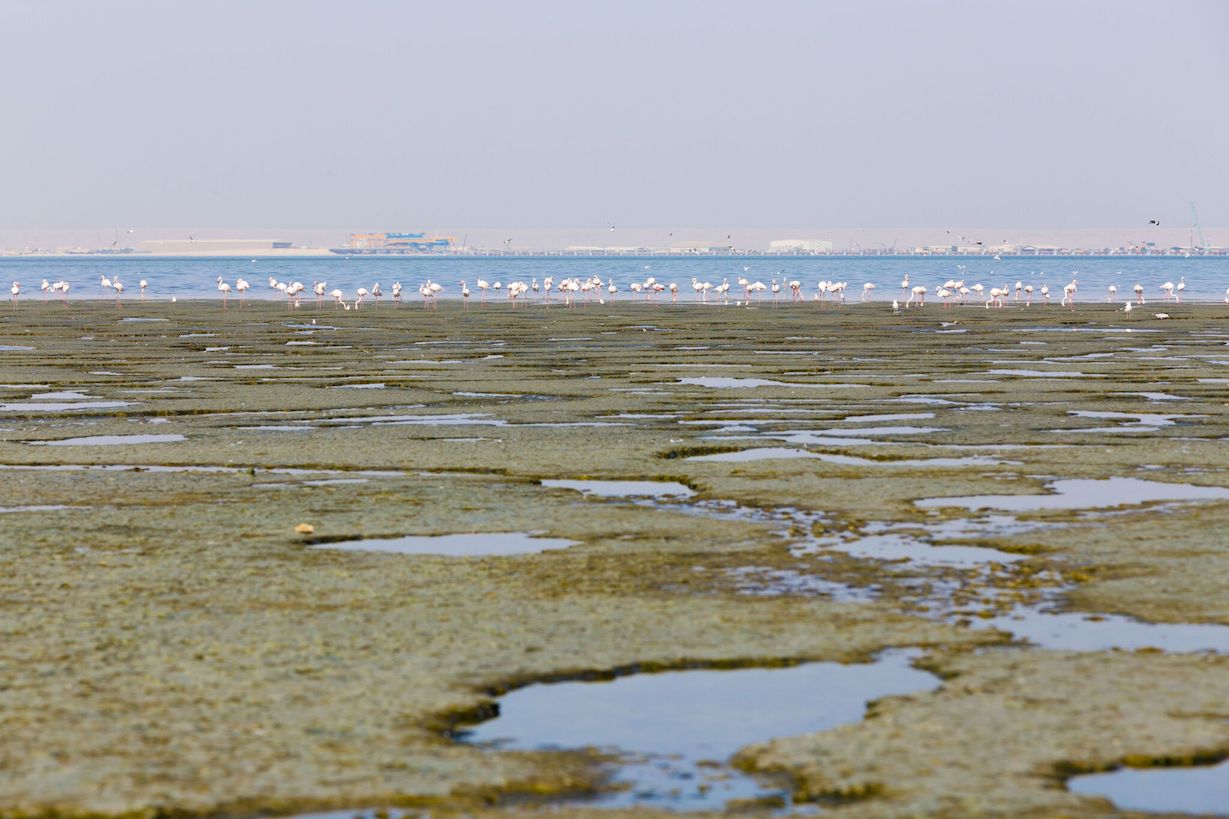
Large areas of the Kuwait coastal zone, including important marine habitats, are presently threatened by increasing stress on the ecosystem, with pollution playing a major role in adversely affecting the marine ecology through increasing sewage and urban discharges at those zones. Such effects have raised concerns in Kuwait about the marine ecology, since the coastal zones serve as a resource for fishing and natural habitats. Furthermore, many hotels, resorts and shopping malls are located in these regions. In terms of human health, sewage and storm water outfalls may transmit bacteria causing various health issues. In this project, the optimal and sustainable outfall lengths have been investigated from various perspectives. Field surveys, chemical analyses and numerical modelling were the main approaches used to identify the optimal lengths of the outfalls. The results of the study have shown that the water and sediment samples taken from the outfalls in Jahra and Sulaibikhat Bay are the most polluted regions. They are categorized by high nutrients and total organic carbon levels and low dissolved oxygen that occasionally exceed the allowable limits. The results of the numerical model show that these same areas are characterized by low dynamic water and flushing rate compared to the Capital province and the southern coast of Kuwait. As such, Jahra and Sulaibikhat can be categorized as the most sensitive regions and need special attention prior to any further outfall construction plans. Economically speaking, controlling the discharge from the activities is far more effective than extending the outfalls in those regions.